
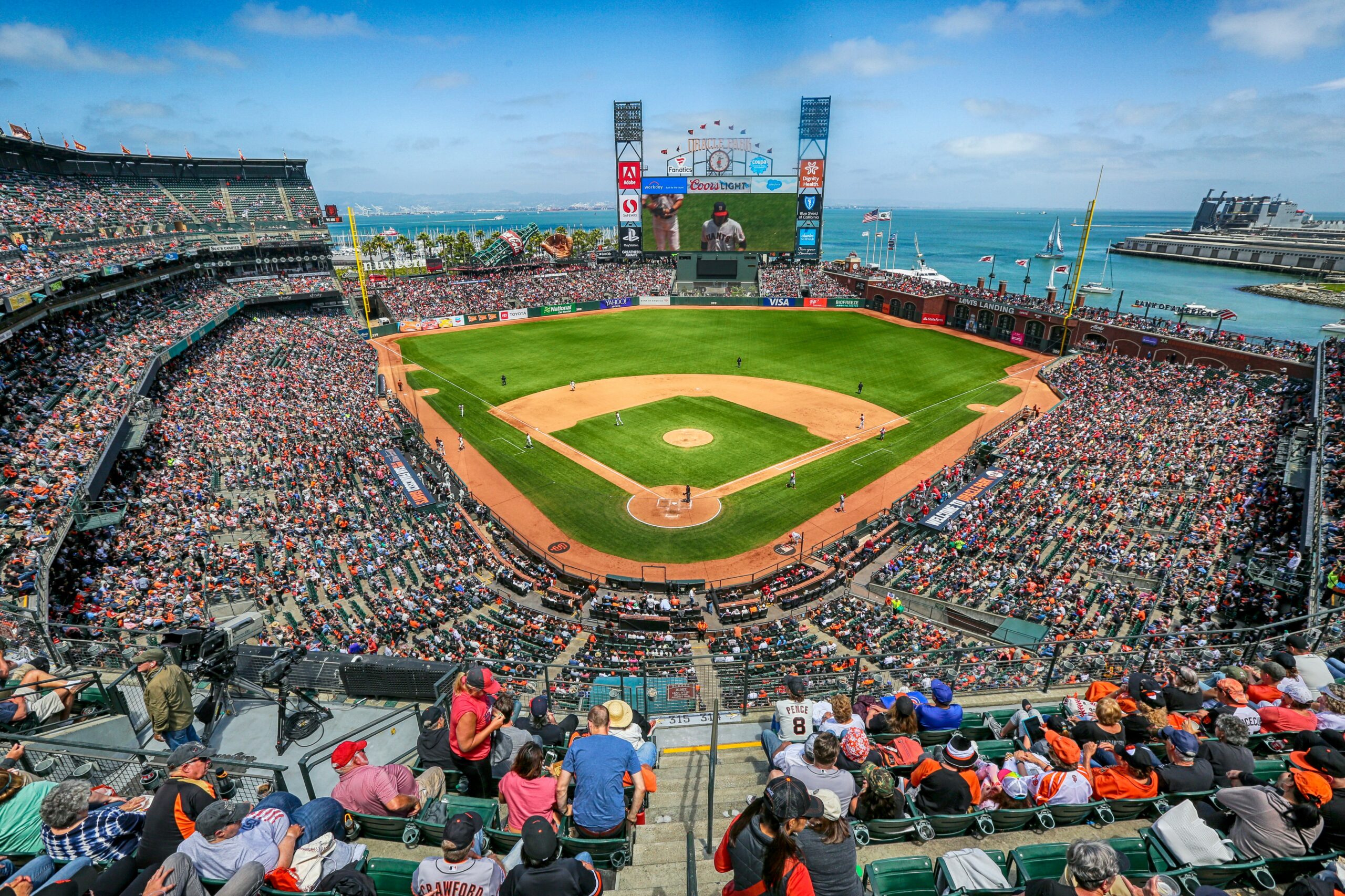
 Major sporting events transform host cities into temporary entertainment capitals. Thousands of fans converge for games, filling hotels, restaurants, and bars while seeking experiences beyond the stadium. This migration creates significant economic activity that cities compete to capture through hosting championships, tournaments, and marquee matchups. Understanding sports tourism economics requires looking past ticket sales and concessions to examine broader spending patterns across accommodation, dining, transportation, and entertainment. Someone planning a sports trip researches extensively – comparing hotel prices near venues, reading restaurant reviews, checking transportation options, exploring nightlife recommendations, and searching for everything from team merchandise to queries like escort Chicago appearing between sports bar listings and game day parking information. This digital footprint reveals that sports tourism involves comprehensive urban experiences where the game itself represents only part of what visitors consume and spend money on during their stays. Examining these spending patterns shows why cities invest heavily in sports infrastructure and compete aggressively to host events that bring temporary but intense economic activity.
Why Cities Compete for Major Sporting Events
Cities don’t build stadiums and bid for championships purely for civic pride. Sports tourism represents concentrated economic activity that benefits multiple sectors simultaneously. A playoff game or tournament brings thousands of visitors spending money on accommodation, food, transportation, and entertainment within compressed timeframes. This spending supports jobs, generates tax revenue, and creates visibility that can boost long-term tourism.
Chicago exemplifies this dynamic. The city hosts Cubs and White Sox baseball, Bears football, Bulls basketball, Blackhawks hockey, plus college athletics and special events. Each game day brings visitors spending throughout the city. Multiply this across hundreds of events annually and sports tourism becomes a significant economic sector justifying public investments in venues and infrastructure that sports teams use.
Hotel and Accommodation Spending Patterns
Hotels represent the largest expense for most sports tourists. Fans traveling for major events book accommodation near venues, downtown areas, or cheaper suburbs depending on budgets and preferences. Prices surge during championships and playoffs when demand peaks and supply constraints allow hotels to charge premium rates.
Typical accommodation spending for sports tourists includes budget travelers spending $100-150 nightly at chain hotels or Airbnbs, mid-range visitors paying $200-300 for convenient downtown locations, and luxury fans dropping $400+ for high-end hotels near venues. Multi-day events like tournaments or playoff series multiply these costs. A family attending a championship weekend easily spends $1,000+ just on accommodation before considering other expenses.
Food and Beverage: Beyond Stadium Concessions
Sports tourists spend heavily on dining, generating revenue for restaurants, bars, and food service establishments throughout host cities. Pre-game meals, post-game celebrations, and regular dining during multi-day stays all contribute. Sports bars particularly benefit from fans seeking atmosphere and camaraderie around games.
Daily food spending typically includes pre-game meals at restaurants near venues, in-stadium concessions at premium prices, post-game dining and drinks celebrating or commiserating, and regular meals throughout the trip. Budget-conscious fans might spend $50-75 daily per person on food. Those prioritizing experience easily drop $150+ daily between nice restaurants, multiple bar visits, and stadium food.
Transportation and Local Mobility Costs
Getting to and around host cities represents another significant expense category. Fans fly or drive to cities, then need transportation between airports, hotels, and venues. Urban sports tourists typically use rideshares, taxis, public transit, or rental cars depending on venue locations and local infrastructure quality.
Transportation costs include airfare or gas for driving to the city, airport transfers or parking at hotels, rideshares between venues and entertainment districts, and public transit or parking at stadiums. These costs vary dramatically by distance traveled and local transportation options. Fans traveling across the country to attend championship games might spend $500+ on flights alone, while local fans only pay for parking or rideshares.
Entertainment Beyond the Game
Sports tourism involves more than attending games. Fans seek entertainment filling time before and after events, particularly during multi-day trips. This creates opportunity for attractions, museums, tours, nightlife venues, and various entertainment businesses.
Common entertainment spending includes city tours or attraction visits during downtime, bar hopping in entertainment districts after games, live music or comedy shows on non-game nights, and various nightlife and entertainment services. Fans treating trips as mini-vacations budget entertainment spending comparable to accommodation costs. Even those focused primarily on sports typically spend several hundred dollars on non-sports entertainment during multi-day visits.
Merchandise and Memorabilia Purchases
Team stores, stadium shops, and local retailers benefit from fans purchasing merchandise commemorating their trips. Official gear, commemorative items from specific games, and local souvenirs all generate revenue. Championship events particularly drive merchandise sales as fans want mementos from significant games.
Merchandise spending ranges from a single t-shirt at $30-40 to comprehensive shopping sprees dropping hundreds on jerseys, hats, collectibles, and gifts. Championship attendance particularly encourages spending – fans justify premium purchases as investment in memories from once-in-a-lifetime events. These purchases generate sales tax revenue and support retail employment beyond direct sports industry jobs.
The Multiplier Effect on Local Economies
Sports tourism dollars circulate through local economies beyond initial transactions. Hotel employees spend wages at local businesses. Restaurants purchase from suppliers. Entertainment venues hire additional staff for busy periods. This multiplier effect means that initial tourist spending generates additional economic activity as money cycles through the local economy.
Economic studies estimate multipliers ranging from 1.5x to 2.5x – meaning each dollar spent by tourists generates an additional 50 cents to $1.50 in economic activity through subsequent transactions. Cities use these multipliers when calculating return on investment for sports facilities and event hosting. Critics argue multipliers are often overstated and ignore opportunity costs, but even conservative estimates show significant economic impacts from sports tourism.
Championship Events and Spending Spikes
Regular season games bring steady sports tourism. Championship events create spending spikes dramatically exceeding normal patterns. Hotels charge surge prices. Restaurants operate at capacity. Bars see record business. Fans attending championships typically spend 2-3x more than regular season visitors because the occasion justifies premium spending.
These spending spikes concentrate economic activity in ways that strain infrastructure while generating substantial revenue. Cities hosting Final Fours, Super Bowls, or World Series games see hotel occupancy approaching 100% with rates doubled or tripled. Restaurants fully booked days in advance. The intensity creates challenges but produces economic benefits justifying why cities compete intensely to host these events.
What Sports Tourism Reveals About Urban Economics
Sports tourism demonstrates how events can temporarily transform urban economies by concentrating spending from visitors in specific sectors. The model works because sports create reliable demand – fans will pay premium prices for experiences tied to their team loyalties and championship opportunities. Cities that successfully capture this spending benefit from jobs, tax revenue, and visibility that can boost other tourism sectors.
However, the benefits are distributed unevenly. Hotels, restaurants, and entertainment venues near stadiums benefit most. Other city areas see minimal impact. Construction jobs building facilities are temporary. The economic case for public sports facility funding remains controversial because benefits often accrue to private team owners while costs fall on taxpayers. Still, for businesses directly serving sports tourists, major events represent significant revenue opportunities that justify their support for sports infrastructure investments.
Conclusion: Sports as Economic Engine
Sports tourism creates real economic activity beyond the games themselves. Fans spending thousands on accommodation, food, transportation, and entertainment during championship trips generate revenue supporting diverse sectors across host cities. Understanding these spending patterns explains why cities compete for teams and events despite controversial public funding debates. For individual businesses positioned to capture sports tourism dollars, major events represent concentrated demand generating revenue that can sustain operations during slower periods. The economic impacts aren’t evenly distributed and don’t always justify public investments, but for cities like Chicago that successfully host numerous major events annually, sports tourism represents a meaningful economic sector worth understanding and strategically developing.