
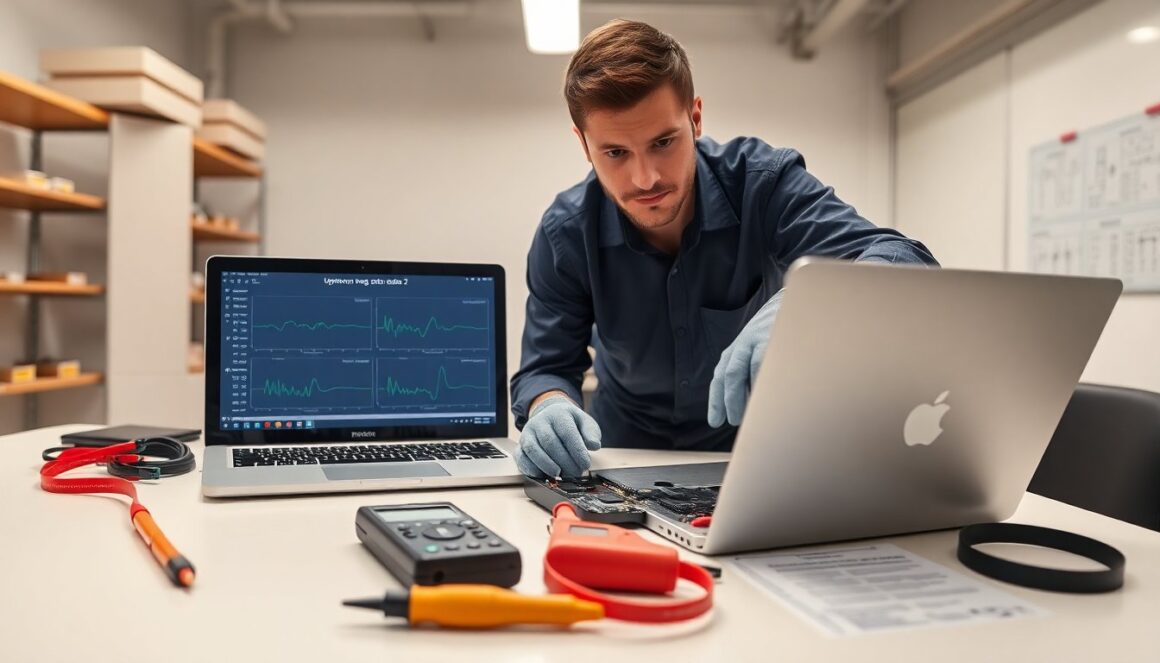
They see error code 10 on uptempo mag state decay 2 when the device fails to read sensor state. The message appears during startup or when the system runs a magnetic field test. This guide explains what the error means, how they can diagnose it, and practical fixes they can apply without expensive tools.
Key Takeaways
- Error code 10 on uptempo mag state decay 2 signals a mismatch between expected and actual magnetometer readings, often due to sensor calibration or hardware issues.
- Diagnose error code 10 by inspecting connectors, running raw sensor reads, checking logs, and testing the device in low-interference environments.
- Reliable fixes include replacing faulty magnetometer hardware, performing factory calibration, rolling back or adjusting firmware thresholds, and shielding against electromagnetic interference.
- If calibration drift causes the error, running the full factory calibration routine and monitoring live readings can clear the issue.
- Disabling magnetometer-dependent features temporarily allows device functionality until repairs or replacements are made.
- If problems persist, contacting vendor support with detailed logs and diagnostics can lead to debug firmware or hardware replacement.
What Error Code 10 Means And When It Appears
Error code 10 on uptempo mag state decay 2 indicates a mismatch between the expected magnetometer state and the actual sensor output. The system compares a baseline magnetic state to the live reading. When the live reading falls outside the allowed decay threshold, the firmware logs error code 10. They will usually see this error during boot checks, after a firmware update, or after a crash that affects sensor calibration.
The code points to one of two broad issues. First, the magnetometer may return noisy or frozen values. Second, the state machine that evaluates decay may use wrong parameters. The device will often continue to boot, but it may disable features that rely on the magnetic reading. They should treat this error as a sensor integrity or calibration issue rather than a random software crash.
Common symptoms that accompany error code 10 include repeated start-up warnings, drifting compass readings, and failed orientation tests. If they notice sudden changes after they moved the device near strong magnets or large ferrous objects, the sensor likely suffered a shift in baseline. If the message appears after an update, the state decay thresholds in software might need adjustment.
Common Causes And How To Diagnose Error Code 10
A few common causes produce error code 10 on uptempo mag state decay 2. The magnetometer can fail electrically due to a loose connector, corrosion, or physical damage. Electromagnetic interference from nearby motors or speakers can push readings beyond limits. Firmware parameters can change after an update, and the new thresholds can conflict with the existing sensor baseline. Mechanical shifts inside the housing can alter sensor orientation.
To diagnose, they should follow a short checklist. First, inspect connectors and the PCB board for visible damage. Second, run a live sensor read and compare the output to expected ranges. Third, check logs for when the error first appeared and match that time to events like drops or updates. Fourth, perform a field test by moving the device through multiple orientations and watching values for spikes or freezes.
They should avoid heavy interference during tests. They should remove strong magnets and move away from large electrical equipment. If the live values jump erratically, the sensor likely suffers hardware issues. If the values remain stable but outside thresholds, the firmware may need parameter updates. If the sensor freezes at a constant value, the connector or sensor chip may be defective.
Step-By-Step Diagnostic Checklist
- Power down the device and remove external power. They should open the housing if warranty allows.
- Inspect connectors. They should look for loose pins, discoloration, or corrosion on the magnetometer connector.
- Re-seat the magnetometer cable. They should unplug and replug the connector and then power the device on.
- Run a raw sensor read. They should use the device diagnostic mode or a serial console to capture magnetometer X, Y, Z values over 30 seconds.
- Move the device slowly through three axes. They should watch values change smoothly. If values jump or lock, the sensor shows instability.
- Check system logs. They should note timestamps and correlate the first error with recent events like firmware updates or mechanical shocks.
- Test in a low-interference area. They should move at least 3 meters from large speakers, motors, or metal racks and repeat the read.
- Restore factory calibration. They should trigger the device calibration routine and record whether the error clears.
- Apply a known-good sensor module if available. They should swap modules to isolate hardware from software.
- If they still see error code 10, they should capture logs and prepare for firmware rollback or module replacement.
Reliable Fixes And Practical Workarounds
If the diagnostic checklist shows connector or hardware faults, they should replace the magnetometer or repair the connector. A visual repair or a module swap often clears error code 10 on uptempo mag state decay 2. If they do not have parts, a temporary workaround is to disable magnetometer-dependent features in system config so the device can function until a replacement arrives.
If calibration drift causes the error, they should run the full factory calibration routine. The routine clears baseline drift and re-establishes decay parameters. After calibration, they should monitor live readings for 10 to 15 minutes. If readings remain within range, the error should not reappear.
If a firmware update introduced stricter thresholds, they should roll back to the previous stable version or apply a minor threshold patch. They should check the device changelog and the vendor support notes before applying new firmware. If they cannot roll back, they should tune the decay threshold in the configuration file in small steps and test after each change.
If electromagnetic interference remains a factor, they should relocate the device or add simple shielding. They can place a thin mu-metal shield over the sensor area or move the device away from motors and high-current lines. They should avoid strong magnets near the device.
If none of the above work, they should open a support ticket with the vendor. They should include sensor logs, timestamps, and steps they already tried. The vendor can provide a debug firmware or arrange a hardware RMA. In many cases, addressing the physical connector or restoring correct calibration clears error code 10 on uptempo mag state decay 2 and returns the device to normal operation.