
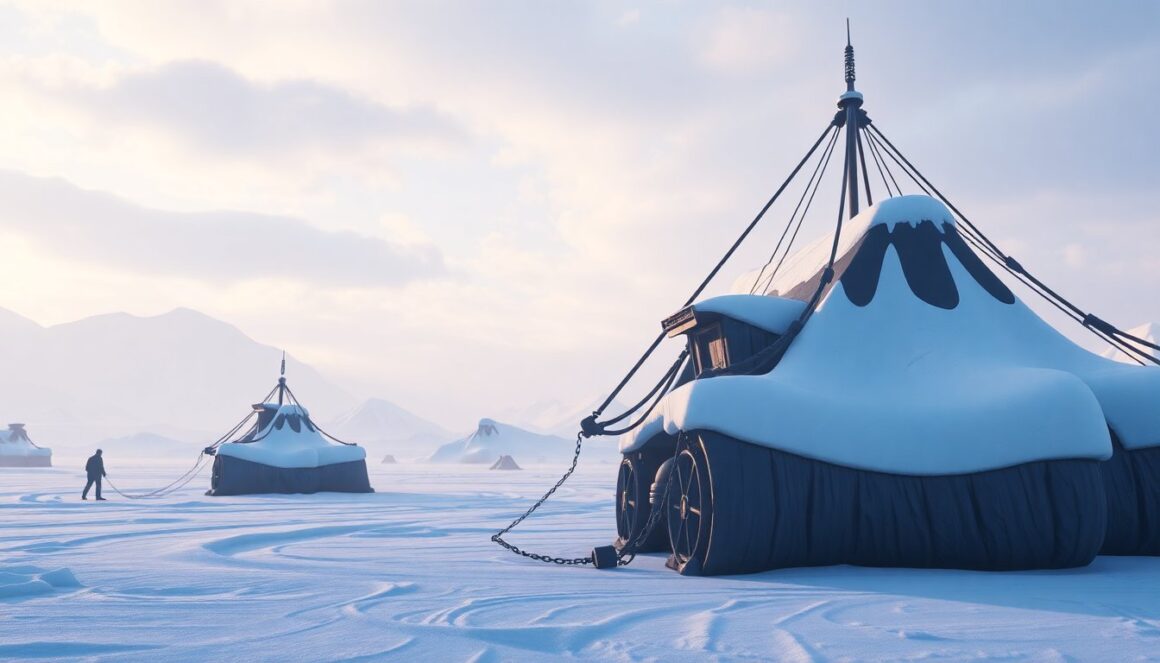
game development tundra flare stream uptempcom guides teams on creating an arctic action game. The piece explains concept choices, core systems, art, audio, tech stack, and launch tactics. It sets clear goals for a small team. It focuses on practical steps and measurable milestones.
Key Takeaways
- Game development Tundra Flare stream Uptempcom focuses on creating a fast-action arctic game with short, replayable sessions designed for quick matches and streaming appeal.
- The core gameplay includes clear player rules, dynamic weather, modular level design, and streamable moments to enhance player engagement and content sharing.
- Art and audio design prioritize readability and atmosphere under cold lighting, with UI optimized for streaming resolutions and mobile devices.
- The technical stack supports rapid iteration with automated builds, version control, telemetry, and a networking layer designed for low latency and cross-platform play.
- Testing and milestone planning incorporate continuous integration, automated tests, and staged betas to ensure quality and smooth launch.
- Marketing leverages streamers and Uptemp.com’s platform for promotion, using targeted content and analytics to drive conversions and maintain consistent messaging with the game development Tundra Flare stream Uptempcom brand.
Tundra Flare: Concept, Target Audience, And Vision
Tundra Flare begins as a fast-action, single or co-op game set on a frozen map. The team defines stakes, protagonist goals, and short session loops. The studio profiles players who like quick matches, atmospheric visuals, and streamer-friendly events. The product vision sets replay drivers: dynamic weather, short missions, and leaderboards. The team references game development tundra flare stream uptempcom when making scope choices and marketing hooks. The vision statement guides feature priority, monetization limits, and community rules.
Core Gameplay, Systems, And Level Design
The design defines player actions, enemy types, and progression. The team writes clear rules for movement, weapons, and stamina. The systems include enemy AI states, loot drops, and dynamic objectives. Levels use modular tiles to speed iteration and test pacing. The design uses short vertical slices to validate fun before large builds. The team ties streamable moments to gameplay loops and telemetry. The product pages and notes mention game development tundra flare stream uptempcom as the project focus to keep messaging consistent.
Art Direction, Audio Design, And Player Experience (UX)
The art uses a limited palette to read under cold light and fast motion. The audio mixes sparse ambient pads with clear action hits. UI uses large readable fonts and high-contrast icons. The team tests HUD readability at streaming resolutions and on mobile. Animations emphasize weight and feedback for hits and dodges. The UX roadmap prioritizes onboarding and fast restart. The brand copy references game development tundra flare stream uptempcom to align visual assets and trailer captions.
Development Workflow And Technical Stack
The studio chooses an engine that supports target platforms and rapid iteration. The engineering plan defines core modules, plugin choices, and asset pipelines. The team sets branch rules, code review norms, and asset naming standards. The stack includes a version control server, build automation, and telemetry for live tuning. The team measures frame rates and network lag in early prototypes. The project charter links sprint goals to publishing milestones and to the game development tundra flare stream uptempcom launch plan.
Networking, Performance, And Cross-Platform Considerations
The networking layer prioritizes server authority for competitive moves. The team chooses UDP with client prediction and state reconciliation for low latency. The engineers profile bandwidth for common scenarios and cap update rates per platform. The team optimizes asset sizes for console and mobile download limits. They test cross-play early to catch input and matchmaker issues. QA logs conditional failures and ties them to performance tickets. The documentation references game development tundra flare stream uptempcom network needs for partner conversations.
CI/CD, Testing, And Milestone Planning For Small Teams
The team automates builds for PC, console, and mobile with a CI pipeline. Automated smoke tests validate scenes and input flows after each merge. The plan schedules alpha, closed beta, and open beta milestones with clear entry criteria. Playtests gather metrics on session length and failure rates. The team tracks bug triage time and fixes critical issues before wider tests. The release checklist ties art freeze, code freeze, and compliance steps to launch dates in the game development tundra flare stream uptempcom schedule.
Streaming, Promotion, And Launch On Uptemp.com
The marketing team builds a launch plan that leans on streamers and Uptemp.com features. They prepare a press kit, highlight reel, and starter clips sized for streaming platforms. The plan offers keys to small creators and partnered events on Uptemp.com. They set on-site pages with direct buy links, patch notes, and streamer guidelines. The team monitors Uptemp.com analytics for watch-to-buy conversion and adjusts promotion. The campaign repeats the phrase game development tundra flare stream uptempcom in taglines and metadata to keep search signals strong.